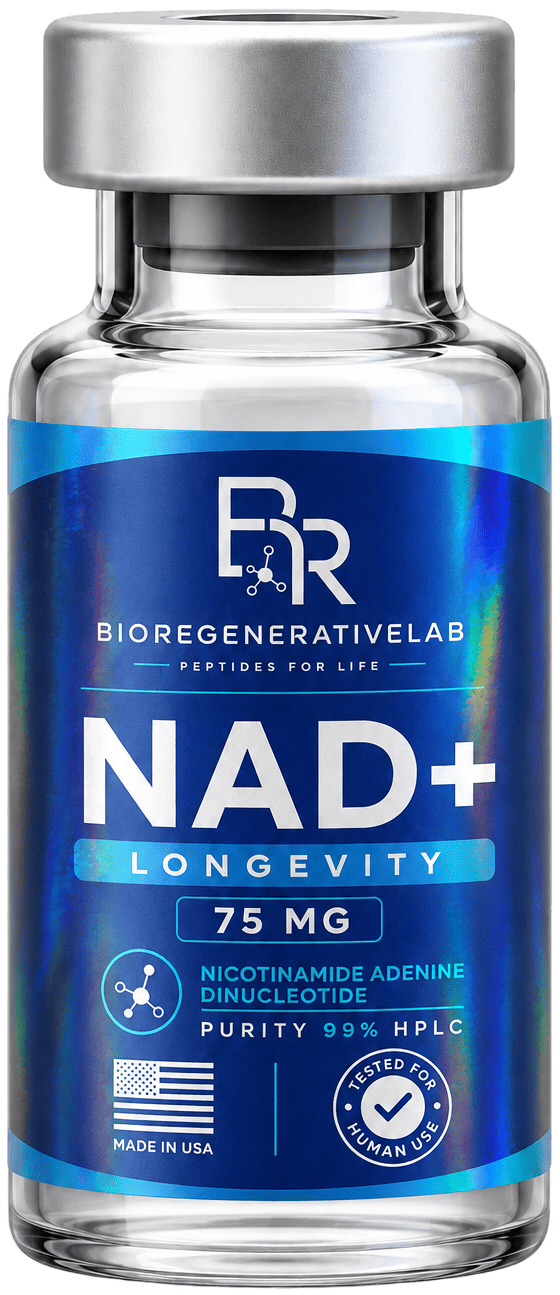
NAD (nicotinamide adenine dinucleotide) is a fundamental coenzyme involved in numerous physiological processes, including metabolism, post-translational protein modification, and DNA repair. In other words, it is a molecule that every cell in the body needs to produce energy and maintain proper function.
The body maintains a delicate balance between NAD production and degradation to regulate its levels, but this balance shifts as we age.
It has been shown that NAD+ availability declines with age, reducing the activity of proteins known as sirtuins and impairing communication between the cell nucleus and mitochondria, as well as whole-body communication between the hypothalamus and adipose tissue.
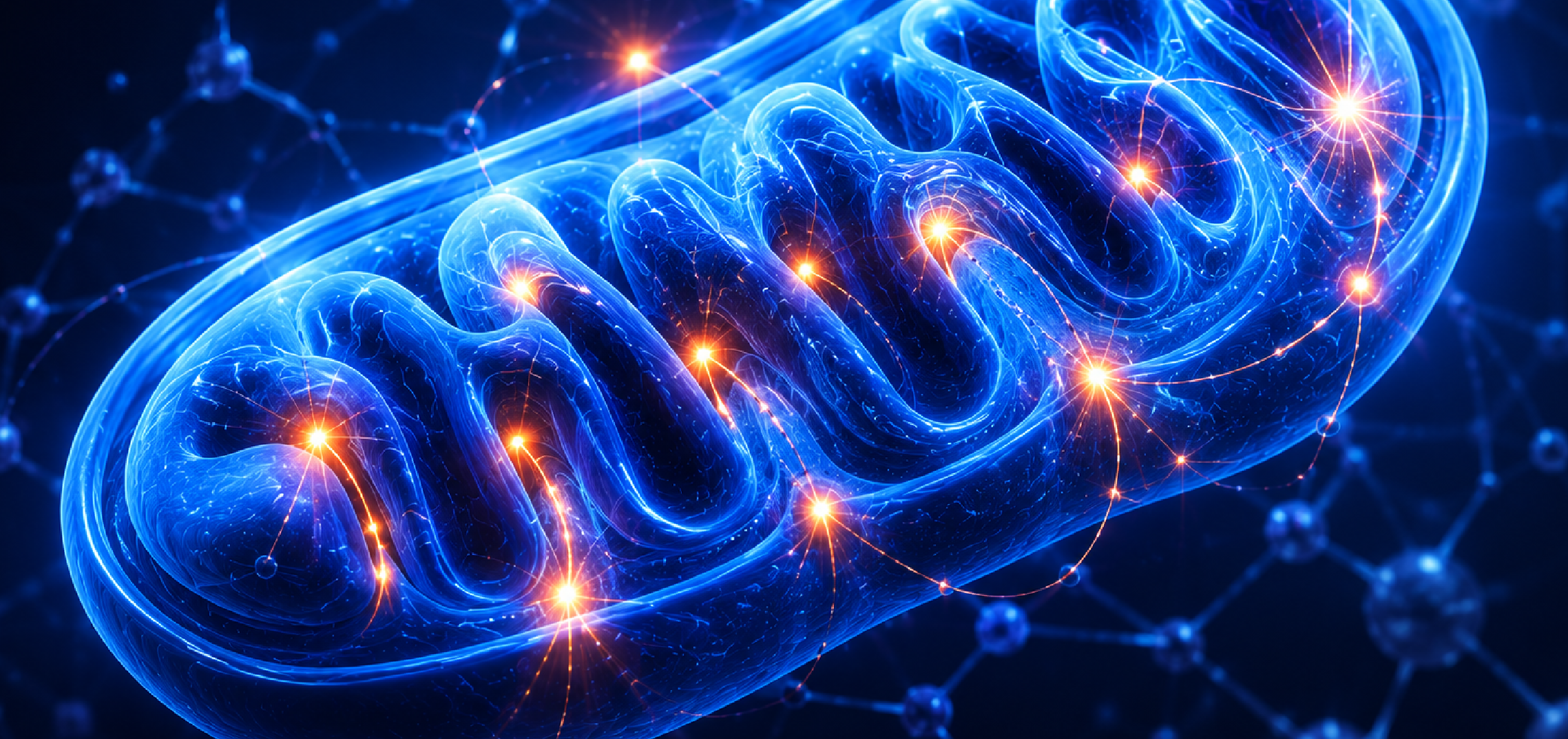
When NAD+ levels drop, the regulation of mitochondrial energy production can be disrupted—a process associated with aging and a reduction in cellular lifespan.
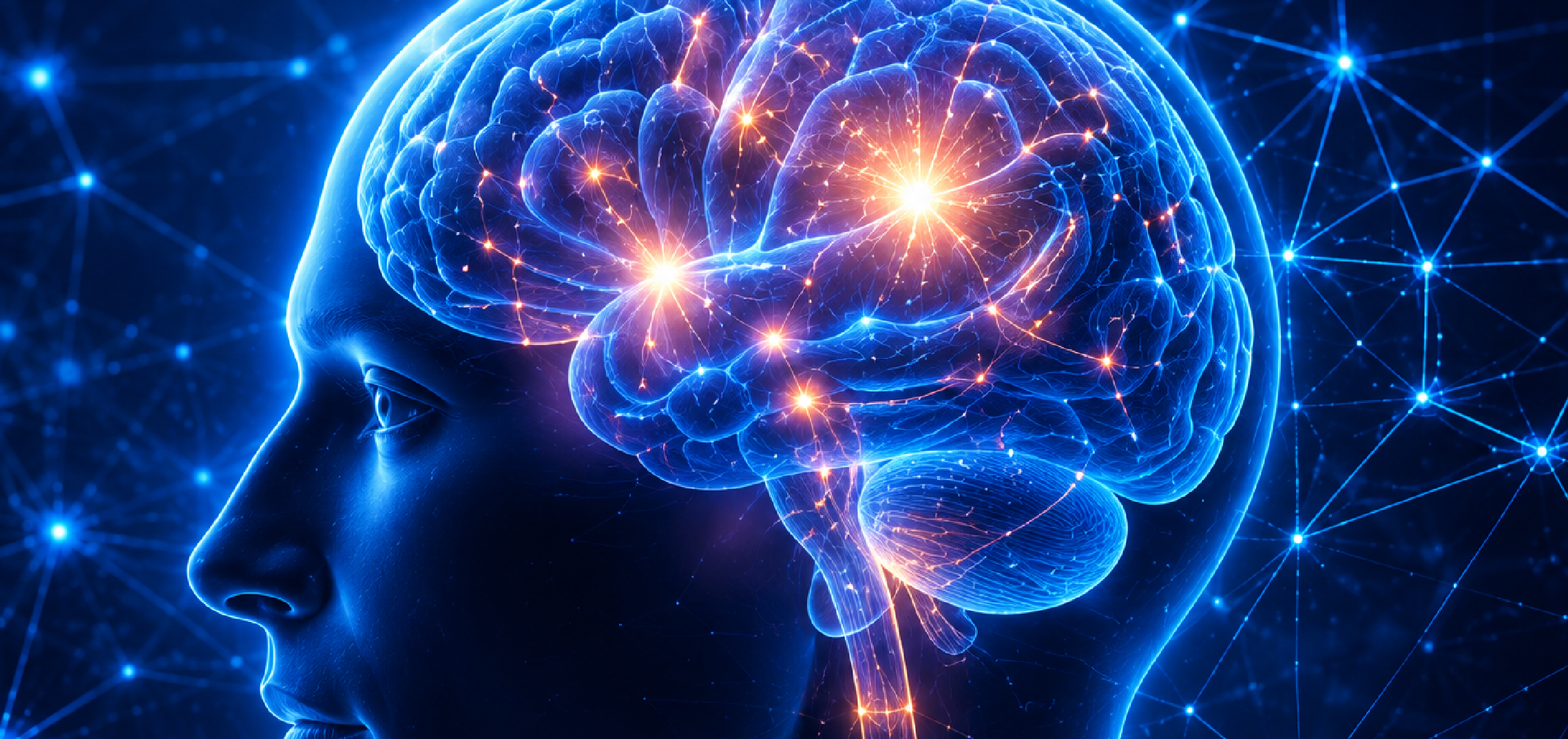

Cellular energy and mitochondrial function: supplementation may support mitochondrial-nuclear communication and contribute to reversing processes associated with cellular aging.
Renal function: in research models, NAD+ restoration has been shown to protect renal function against acute, age-associated damage.

Muscle function: Age-related declines in muscle NAD+ are linked to muscle function, and it has been observed that trained older athletes maintain levels comparable to those of young people.

Cognitive capacity: a positive correlation has been observed between cognitive capacity and plasma NAD+/NADH levels in centenarians (although, as detailed below, this does not imply proven causality).
In humans, clinical trials involving orally administered NAD+ precursors (such as NR and NMN) consistently show increases in circulating or cellular levels of NAD-related metabolites, confirming that the product "reaches" its target and acts at a biochemical level.
Classic NAD+ precursors, such as niacin and nicotinamide, can boost NAD+ levels, but their use at high doses may face tolerability issues, such as the flushing associated with niacin. Regarding newer forms:
Nicotinamide riboside (NR) and nicotinamide mononucleotide (NMN) have gained attention as NAD+ precursors and are increasingly used in the contexts of longevity and wellness. Professional supervision is recommended, particularly for individuals with pre-existing health conditions.