


SCIENCE AT THE SERVICE

OF AESTHETIC MEDICINE

HEALTH

BEAUTY

SCIENCE

Hair
Health

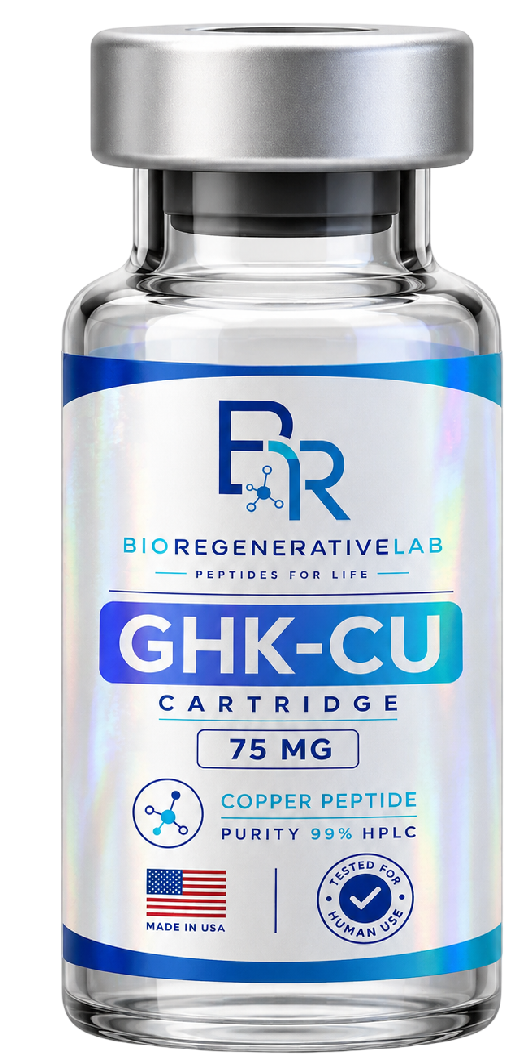
GHK-CU

Longevity

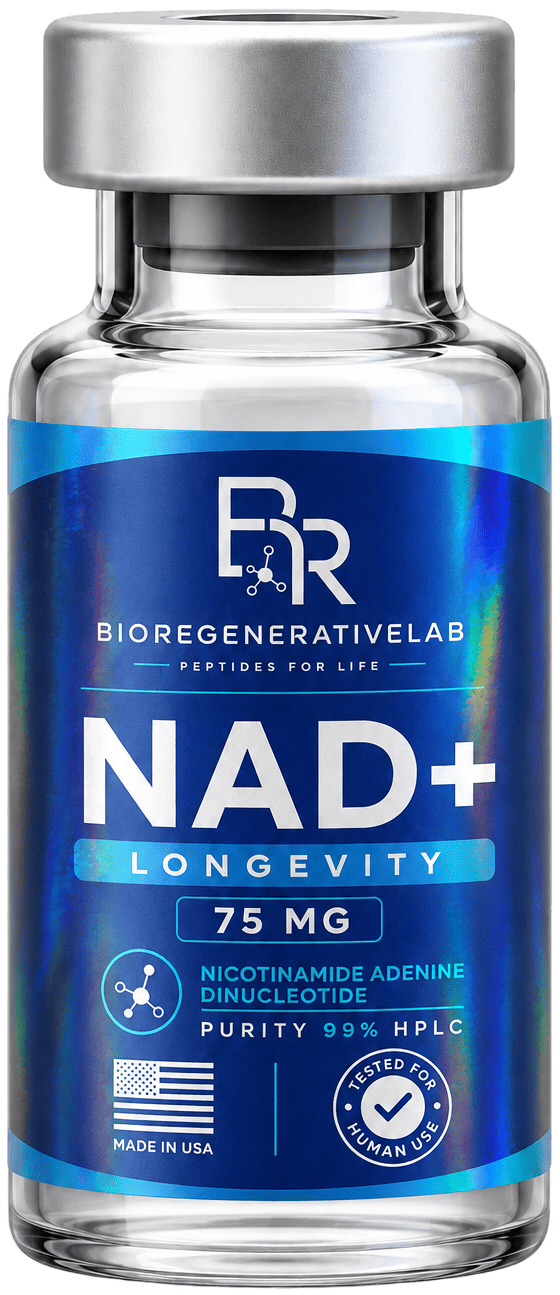
NAD +

Physical
Health

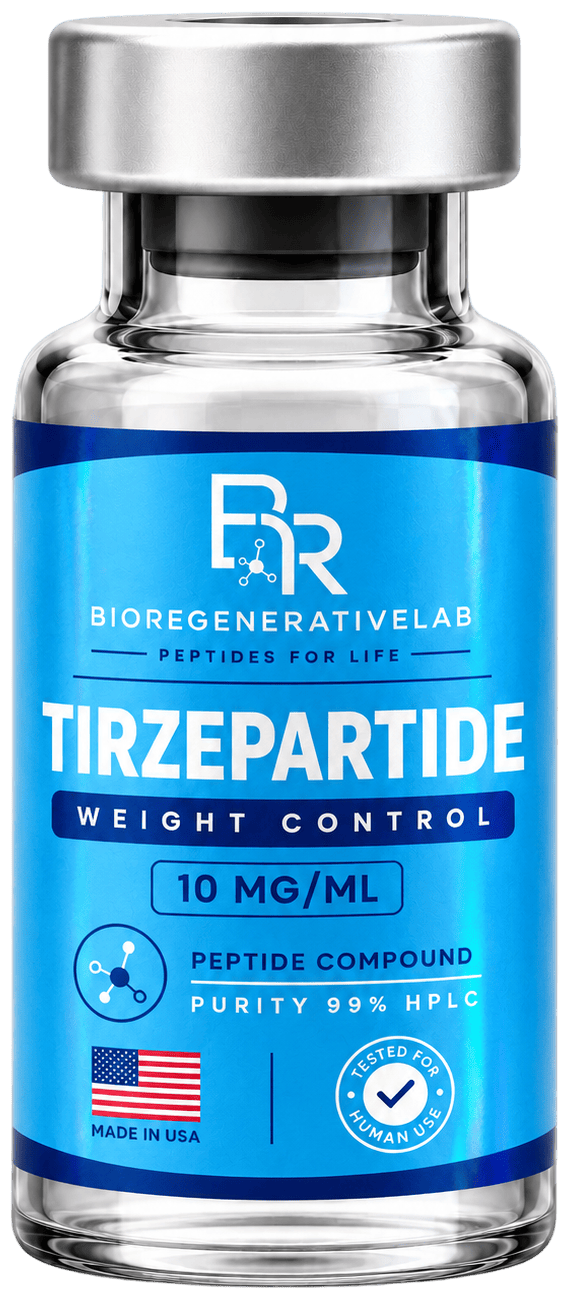
TIRZEPARTIDE

Insomnia
Control

EPITHALON

Growth
Enhancement

CJC 1925

Cellular
Regeneration

GLOW

BENEFITS

1

Improves

firmness

2

Reduction

of fine lines

3

Antioxidant

protection

4

Cellular

renewal

5

Similarity

in natural processes


Laboratory-tested

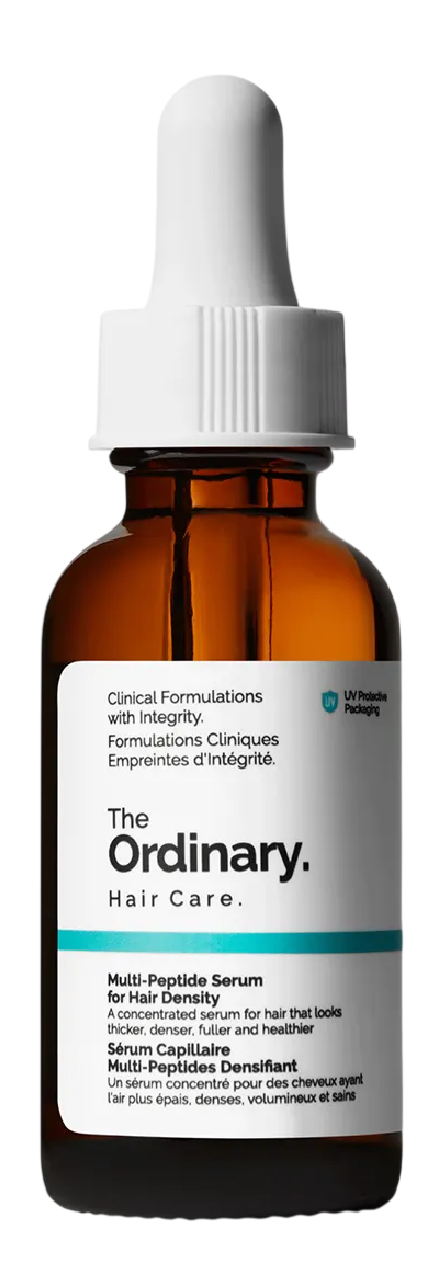
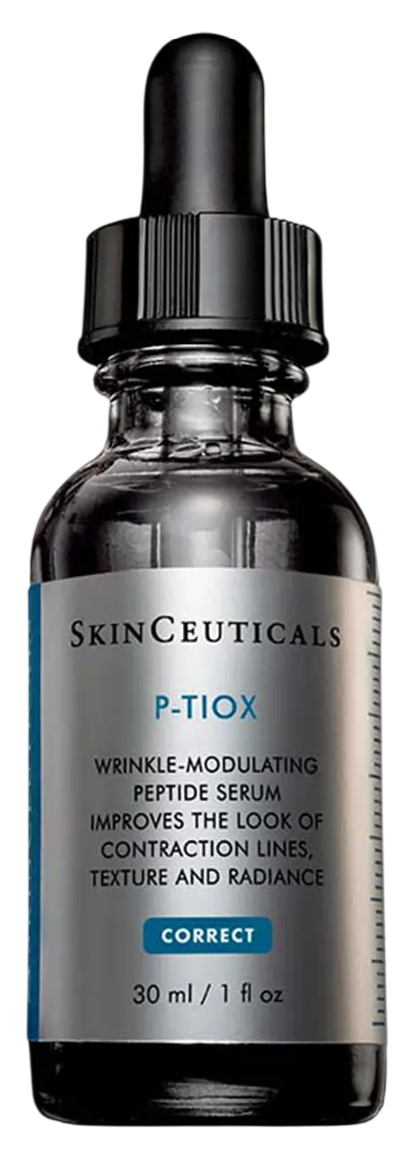
WELL-KNOWN BRANDS

THAT USE PEPTIDES

IN THEIR BEAUTY PRODUCTS

Celebrities

Who Use Peptides

in the Modern Era

All sources have been consulted directly online in order to verify their authenticity and the accuracy of the data.

Hailey Bieber

Corporate

cosmetics

She is the founder and creative director of Rhode, her skincare brand, which launched Peptide Lip Boost—formulated with four distinct peptides, VBE, and a konjac-hyaluronic acid complex—marketed to provide a "tingly" effect that boosts lip volume.

She subsequently launched Peptide Lip Tint as part of the same peptide-infused line.

Why are peptides gaining

popularity in modern medicine?


High biological specificity:

Peptides can be designed to interact with specific cellular receptors, enabling the generation of targeted biological responses.

Natural cellular communication:

Many peptides mimic signals that the body already uses, facilitating their integration into physiological processes.
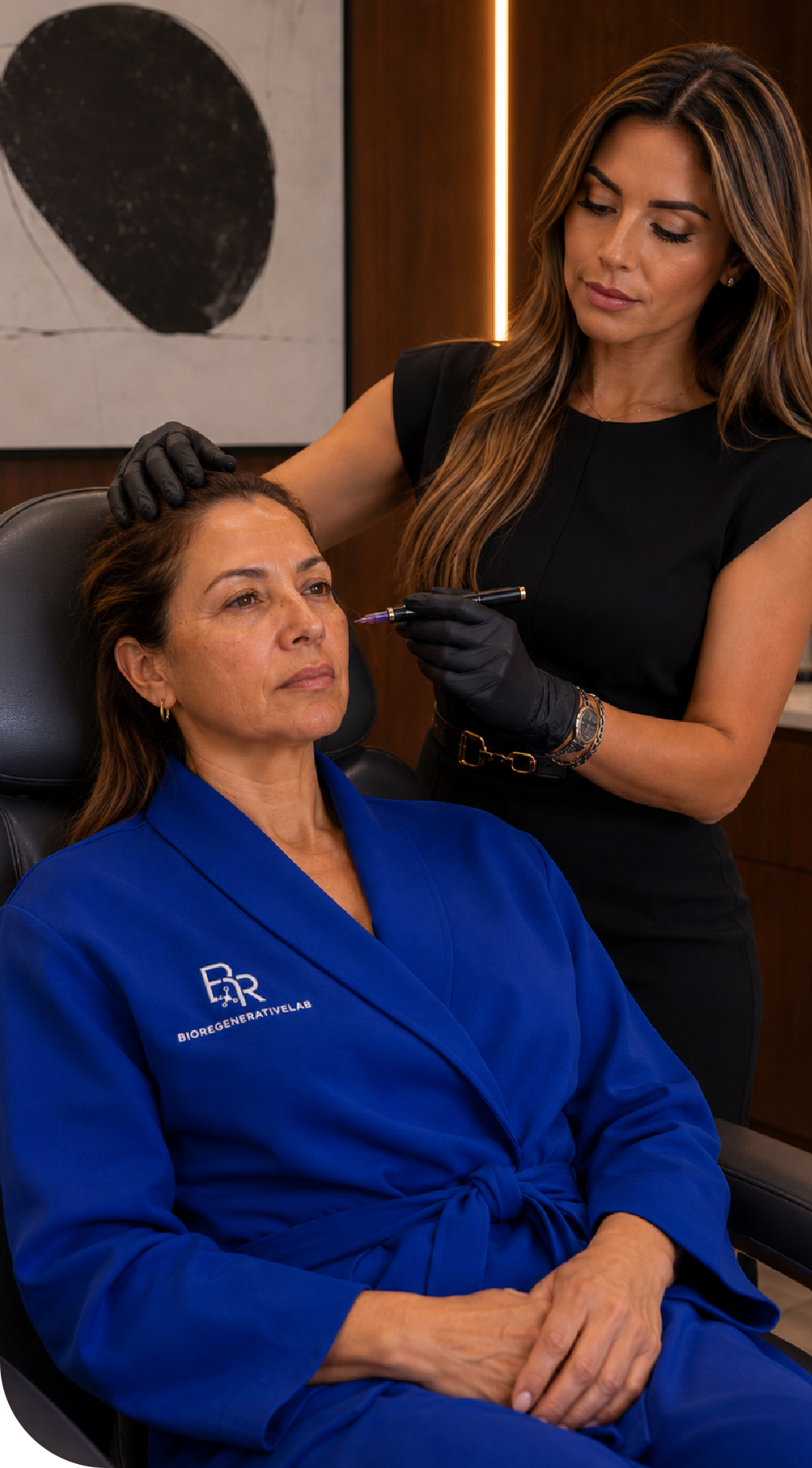
Potential in personalized medicine:

Many peptides mimic signals that the body already uses, facilitating their integration into physiological processes.

Frequently Asked Questions

From what age can these peptides be applied?

In general, most peptide protocols (for skin, longevity, or recovery) are intended for adults over the age of 18, as hormonal and skeletal development is complete by this stage. For categories such as anti-aging, longevity, or tissue recovery, clinical interest typically arises between the ages of 30 and 35, when the first signs of declining collagen, cellular NAD+, or bone density begin to appear. However, the ideal age to start always depends on an individual medical assessment rather than a fixed age applicable to everyone.

There is no strict upper limit documented in the literature, as many of these protocols (particularly NAD+, Epithalon, and GHK-Cu) are specifically investigated in elderly populations, where they often demonstrate greater biological relevance. Eligibility is determined not by chronological age, but by the patient's general health status—including renal, hepatic, and cardiovascular function, as well as medical history—which is assessed by a professional prior to initiating any protocol.

It depends on the goal and the specific peptide:

Skin/hair (GHK-Cu, GLOW): 4 to 12 weeks for skin; 3 to 6 months for hair.

Longevity/cellular energy (NAD+, Epithalon): biochemical changes are detected sooner, but perceived functional effects usually require several months of consistent use.

Weight management (Tirzepatide): initial weight changes are typically observed within the first few weeks, with more significant results seen at 3–6 months.

Body composition/recovery (CJC-1295 + Ipamorelin): IGF-1 levels rise after the first dose, but visible physical changes require weeks to months of sustained use.

In all cases, results depend on adherence to the protocol and are not immediate.

All products in this line are manufactured to verifiable purity standards (99% HPLC) and, according to the label, are evaluated for human use. However, the actual safety of each protocol depends on a prior medical assessment, correct dosage, and professional monitoring—especially given that several of these peptides lack formal regulatory approval (with the exception of Tirzepatide). No product of this type should be self-administered without clinical supervision.

The effectiveness of each peptide protocol varies depending on the goal, dosage, treatment consistency, and each patient's individual response. While most patients report favorable results within the expected timeframes for each peptide, outcomes are not identical in every case, nor are they guaranteed.

As with any treatment that acts at a biological level, the administration of peptides can cause side effects. For this reason, some protocols require a prior medical evaluation before starting treatment to determine whether the patient is a suitable candidate and to minimize risks.

At BioRegenerativeLab, patient safety is the starting point for every protocol. Before beginning any peptide treatment, the patient undergoes an assessment with an endocrinologist, who reviews their medical history and potential contraindications to determine whether the protocol is suitable for their specific case. This ongoing medical oversight enables the delivery of peptide therapy benefits within a framework of clinical responsibility and patient safety.